

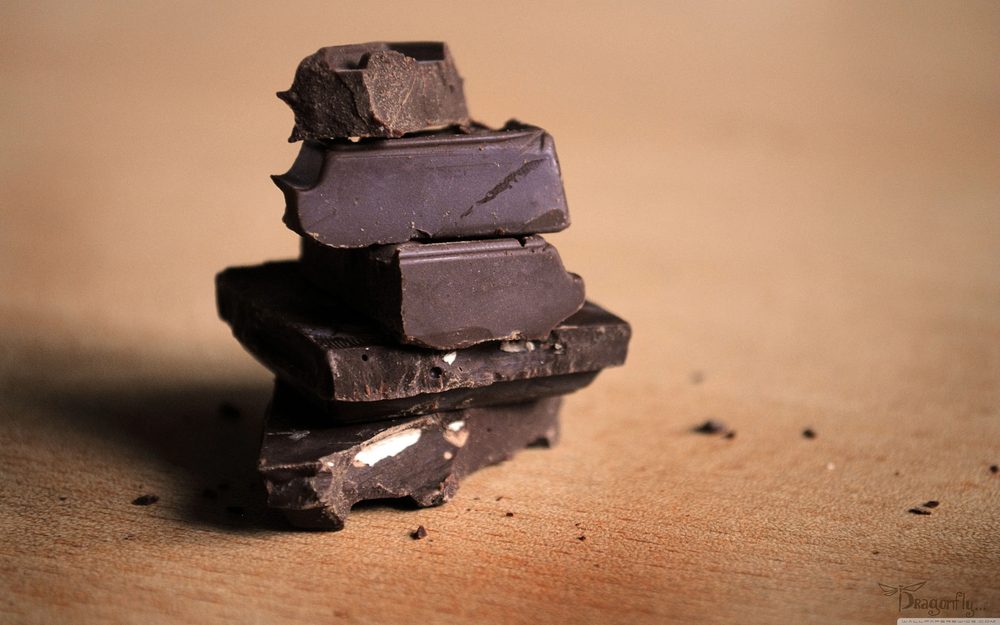
Dark chocolate gets plenty of attention, and a lot of it is confusing. This guide sticks to what you can check yourself: what cacao contains, how cacao percentage and processing change a bar, and how to read the label so you can choose chocolate you enjoy.
What is dark chocolate made of?
Real dark chocolate starts with cacao beans. The beans are fermented, dried, roasted and ground into cocoa mass, then blended with cocoa butter and, in most bars, a sweetener. The percentage on the pack tells you how much of the bar comes from cacao (cocoa mass and cocoa butter combined). The rest is usually sugar or another sweetener.
A short ingredient list is a good sign. Our 70% bar, for example, has three ingredients: cacao beans, cocoa butter and organic cane sugar.
What does cacao naturally contain?
Cacao is a plant food, and it contains a mix of natural compounds:
- Flavanols. A group of plant compounds (polyphenols) found in cacao. They contribute to its colour and its slightly bitter, astringent taste.
- Theobromine and a little caffeine. Natural compounds found in cacao. Dark chocolate generally contains more of them than milk chocolate, because it contains more cacao.
- Fibre and fat. Cacao is naturally rich in cocoa butter, which is why real chocolate melts smoothly in the mouth.
- Small amounts of minerals. The amount differs from bar to bar, so check the nutrition panel for exact figures.
Scientists have studied cacao compounds for years. This post does not claim that eating chocolate will do anything for your body. Chocolate is a treat, and the best reason to choose a good bar is that it tastes better.
Why cacao percentage matters
A higher percentage means more cacao and less room for sugar. That changes the taste as well as the ingredient list.
- 70%: smooth and balanced, with a gentle sweetness. A good place to start.
- 80%: deeper and more bitter, with less sweetness.
- 85-100%: intense. A 100% bar has no sweetener at all.
Not sure where to begin? Read our guide to 70% vs 80% dark chocolate.
Why processing matters
How cacao is handled changes what ends up in the bar and how it tastes:
- Roasting temperature. Gentle, low-temperature roasting keeps more of the bean's natural aroma. Very high heat can burn it off.
- Alkalising ("Dutch processing"). Some makers treat cocoa with an alkali to make it darker and milder. If the label says "processed with alkali", the cocoa has been treated this way.
- Cocoa butter or vegetable fat. Real chocolate uses cocoa butter. Cheaper products swap in vegetable fat. See our post on cocoa butter vs vegetable fat.
How to read a chocolate label
- Check the first ingredient. It should be cacao or cocoa mass, not sugar.
- Look for the sweetener. Cane sugar, glucose syrup, honey and condensed milk are all sugars.
- Check the fat. Cocoa butter is what you want to see.
- Read the nutrition panel. Compare sugar per 100g and the serving size.
- Check the origin. Bars that name where the cacao is grown usually have a stronger story and a more distinct flavour.
How much dark chocolate should you eat?
Dark chocolate is a food to enjoy in small amounts. A square or two with coffee or tea is plenty for most people, because the flavour is concentrated. Our post on how much dark chocolate per day goes through portions in more detail. If you have a medical condition, or follow a diet set by your doctor, ask them what suits you.
Frequently asked questions
Is dark chocolate better than milk chocolate?
It is different. Dark chocolate usually has more cacao and less sugar, and a stronger, less sweet taste. Compare the ingredient lists and nutrition panels, as recipes vary.
Does dark chocolate contain caffeine?
Yes, in small amounts, along with theobromine. The amount depends on the cacao percentage and how much you eat.
What percentage of dark chocolate should I buy?
70% is a common starting point. If you like a stronger flavour with less sweetness, try 80% or higher.
Is dark chocolate a replacement for supplements or medicine?
No. It is a food. It does not replace medical treatment, supplements prescribed by your doctor, or a balanced diet.
Ready to try a bar? Browse our dark chocolate bars, made bean-to-bar in Malaysia.