

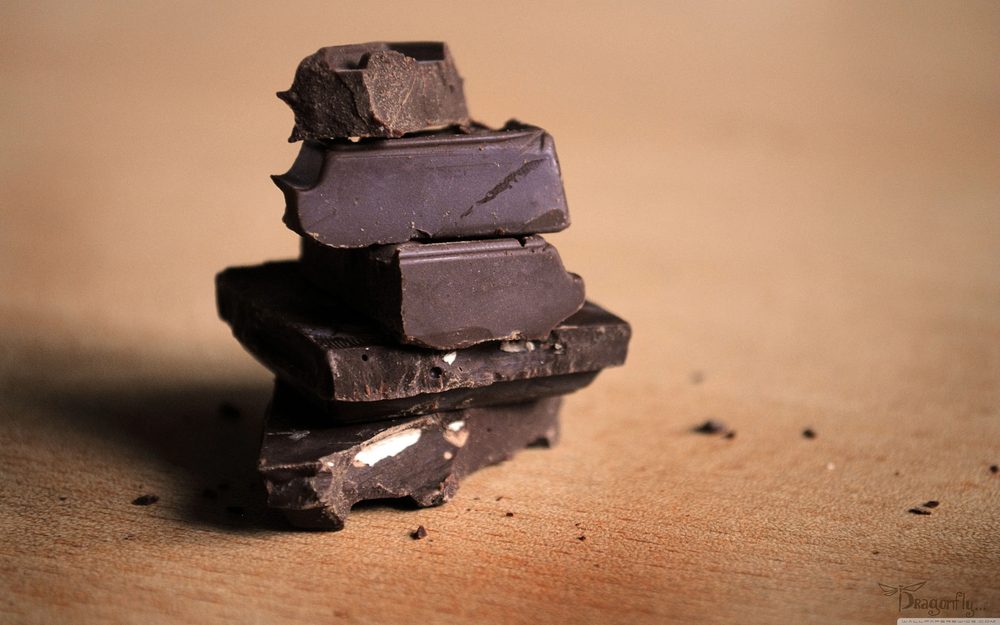
Is dark chocolate healthy? Learn about cacao flavanols, antioxidants, sugar content, cacao percentages and how to choose a better dark chocolate bar.
Dark chocolate is often described as a healthier alternative to milk chocolate—but is it really good for you?
The answer depends on the cacao percentage, ingredients, portion size and how the chocolate is made.
Dark chocolate contains naturally occurring cacao compounds, including flavanols and other polyphenols. However, it is still an energy-dense food that may contain sugar and saturated fat. It should therefore be enjoyed as part of a balanced diet rather than treated as a health supplement.
Here is what you should know before choosing your next dark chocolate bar.
What Is Dark Chocolate?
Dark chocolate is primarily made from cacao ingredients such as:
- Cacao beans or cocoa mass
- Cocoa solids
- Cocoa butter
- Sugar or another sweetener
Unlike milk chocolate, dark chocolate generally contains little or no milk ingredients and usually has a higher cacao content.
Common cacao percentages include:
- 70% dark chocolate
- 75% dark chocolate
- 80% dark chocolate
- 85% dark chocolate
- 100% dark chocolate
The percentage indicates how much of the bar comes from cacao-derived ingredients. The remaining percentage typically consists mainly of sugar and other recipe ingredients.
Higher cacao percentages usually taste less sweet and more intense, although percentage alone does not determine quality.
What does dark chocolate contain?
Dark chocolate is made from cacao, so it contains the natural compounds found in the bean. These include flavanols (a type of polyphenol), theobromine, a little caffeine and cocoa butter. The amounts vary a lot between bars, depending on the cacao percentage, the origin and how the beans were processed. The nutrition panel on the pack is the best place to check the numbers for your bar.
What makes one dark chocolate bar different from another?
- Cacao percentage. Higher means more cacao and usually less sugar.
- Sugar content. Some bars are quite sweet, especially at lower percentages. Check the label.
- Ingredients. A short list with cacao and cocoa butter is a good sign.
- Origin and processing. Cacao can taste fruity, nutty, spiced or roasted, depending on where it grows and how it is handled.
- Portion. Dark chocolate is concentrated, so a small piece is usually enough to satisfy.
This guide does not claim that dark chocolate will improve your health. It is a treat. If you have a medical condition or follow a special diet, ask your doctor what suits you.
Does a Higher Cacao Percentage Change the Chocolate?
Generally, a higher cacao percentage means:
- More cacao ingredients
- Less room for added sugar
- A stronger cacao flavour
- Greater bitterness or intensity
However, a higher percentage does not automatically mean better-quality or healthier chocolate.
A poorly made 90% bar is not necessarily better than a carefully crafted 70% bar. The quality of the cacao beans, the ingredient list, roasting method and portion size also matter.
For many people, 70% dark chocolate or higher provides a practical balance between cacao flavour and sweetness.
What Is 70% Dark Chocolate Like?
A 70% dark chocolate bar can be a suitable option for people who want a stronger cacao flavour without excessive bitterness.
It usually offers:
- A relatively high cacao content
- Moderate sweetness
- An approachable flavour
- Versatility for snacking and pairing
However, the benefits depend on the recipe and the amount consumed.
A 70% bar containing cacao beans, cocoa butter and a clearly identified sweetener may be a better choice than one with a long list of unnecessary fats and flavourings.
What About 80% Dark Chocolate?
An 80% dark chocolate bar generally contains more cacao and less sweetener than a conventional 70% bar.
It may suit people who:
- Prefer a less-sweet taste
- Enjoy deeper cacao flavours
- Want to move toward higher-percentage chocolate
- Like pairing chocolate with coffee or nuts
Vive’s 80% Dark Chocolate uses monk fruit extract to create a different sweetness profile from bars made with conventional cane sugar.
Is 100% Dark Chocolate the Best Choice?
A 100% chocolate bar contains cacao ingredients without added sugar, but that does not mean it is the ideal option for everyone.
Its flavour can be highly intense, bitter and acidic, particularly for beginners.
It may be useful for:
- Baking
- Pairing with fruit
- Adding to oatmeal
- Blending into smoothies
- Consumers who enjoy pure cacao
The best dark chocolate is one that matches your dietary needs and is enjoyable enough to eat mindfully.
What Should You Look for in Dark Chocolate?
Choose a Higher Cacao Percentage
A bar containing 70% cacao or above is usually a reasonable starting point for people seeking more cacao and less sweetness.
Read the Ingredient List
A simple dark chocolate recipe may contain:
- Cacao beans or cocoa mass
- Cocoa butter
- Sugar or another sweetener
Avoid assuming that a product is high quality simply because the packaging says “dark chocolate.”
Look for Cocoa Butter
Real chocolate naturally contains cocoa butter.
Some lower-cost products replace cocoa butter with vegetable fats. These products may still taste chocolate-like, but the flavour, texture and melting experience can be very different.
Consider the Origin of the Cacao
Cacao origin can influence aroma and flavour.
Malaysian cacao may develop notes ranging from tropical fruit and nuts to earth, spice and roasted flavours, depending on the location and chocolate-making process.
Pay Attention to Portion Size
Dark chocolate still contains calories and fat, even when it has a high cacao percentage.
A few small pieces are usually enough to appreciate the flavour.
Dark Chocolate and Calories
Dark chocolate is energy-dense, so portion size matters. Check the nutrition panel on your pack for calories per serving. A small square is usually enough to enjoy the flavour.
Can You Eat Dark Chocolate Every Day?
Many people can enjoy a small amount of dark chocolate regularly as part of a balanced diet.
However, the appropriate amount depends on:
- Total calorie intake
- Sugar intake
- Individual dietary needs
- Sensitivity to caffeine or theobromine
- Other foods eaten throughout the day
People with specific health conditions or dietary restrictions should seek personalised advice from a qualified healthcare professional.
The Vive Chocolate Approach
At Vive Chocolate, we focus on allowing real cacao to remain at the centre of every chocolate bar.
Our chocolate is made using Malaysian cacao and cocoa butter, with different recipes created for different taste preferences:
- 70% Artisanal Dark Chocolate for a balanced and approachable flavour
- 75% Dark Chocolate with Cacao Nibs for additional crunch and cacao intensity
- 80% Dark Chocolate with Monk Fruit Extract for a less-sweet chocolate experience
Rather than choosing chocolate based only on a health claim, we encourage consumers to consider the ingredients, cacao origin, craftsmanship and flavour.
Final Thoughts
Dark chocolate can be part of a healthy and balanced lifestyle, especially when it contains a higher percentage of cacao, a straightforward ingredient list and a moderate amount of sweetener.
Its natural cacao compounds make it nutritionally different from many highly sweetened chocolates. However, dark chocolate is still a treat—not a medicine.
Choose a percentage you enjoy, check the ingredients and appreciate it slowly.
The healthiest approach is not necessarily to buy the darkest possible bar. It is to choose thoughtfully, eat mindfully and enjoy the real character of cacao.
Frequently Asked Questions
Is dark chocolate different from milk chocolate?
Dark chocolate generally contains more cacao and less sugar than milk chocolate, but recipes vary. Always compare the ingredient list and nutrition panel.
What percentage of dark chocolate is best?
Seventy percent cacao or above is a common starting point. Choose 70% for greater balance, or 80% and above for a less-sweet and more intense cacao flavour.
Is dark chocolate high in sugar?
Some dark chocolate contains significant added sugar, especially at lower cacao percentages. Higher-percentage bars generally contain less sugar, but labels should always be checked.
Does dark chocolate contain caffeine?
Yes. Cacao naturally contains small amounts of caffeine and theobromine. The amount varies depending on the cacao percentage and serving size.
Can dark chocolate replace a supplement?
No. Dark chocolate should be enjoyed as food and should not replace medical treatment, supplements prescribed by professionals or a balanced diet.